Loading…
Loading…
Type any card to see what it's worth right now — live market value plus real US store prices, free, updated daily.
Tip: include the collector number (printed bottom-left of the card, e.g. “Charizard 4/102”) to land on the exact printing.
Special & Illustration Rares, alt arts and vintage holos carry the value. Commons are pennies — and that's normal.
Near Mint commands the premium; visible wear can cut value by 50–90%. Be honest grading your own cards.
1st Edition and shadowless vintage prints (1999–2003) multiply value. The 30th-anniversary wave has vintage interest surging.
PSA/CGC 10 copies sell for multiples of raw cards — but grading costs money; it's worth it for cards already valuable raw.
Live US prices — click any card for its full value breakdown across stores.
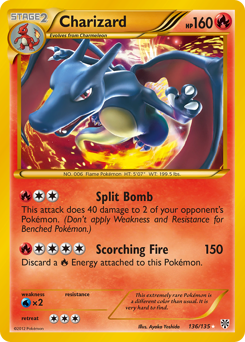
Start with the 1999 Base Set — every card priced, from common Rattata to the Charizard everyone hopes for.
Search the card's name (and collector number, printed bottom-left, e.g. 4/102) in the checker above. You'll see its live TCGplayer market value plus what real stores are charging for it right now in your country — both matter: market value is what it trades for, store prices are what you can actually buy or benchmark a sale against.
Often, yes — especially holographic rares. The 1999 Base Set Charizard is the most famous example, and 1st Edition stamps multiply value dramatically. Condition is critical: a mint copy can be worth 10× a played one. Look up any vintage card by name to see its current market value.
Four things: rarity (Special/Illustration Rares, alt arts and vintage holos lead), condition (Near Mint commands the premium), edition (1st Edition and shadowless vintage prints), and demand (Charizard, Pikachu and Eeveelutions carry a permanent premium). Professionally graded copies (PSA/CGC 10) can be worth several times a raw card.
Completely free, no account or signup. Values refresh daily from TCGplayer market data and live prices across the stores we track in Australia, New Zealand, the US and the UK.